Myofunctional therapy can benefit a wide range of individuals, from children to adults, who experience issues related to oral and facial muscle function. Below are many key groups of candidates who may benefit from this therapy.

1. Mouth Breathers
People who habitually breathe through their mouths instead of their noses, whether due to habit, allergies, or structural issues like enlarged tonsils or adenoids.
2. Individuals with Sleep Disorders
Those with snoring or obstructive sleep apnea (OSA) may benefit from improved tongue posture and muscle tone in the airway.
Children with sleep-disordered breathing, which can affect growth, learning, and behavior.
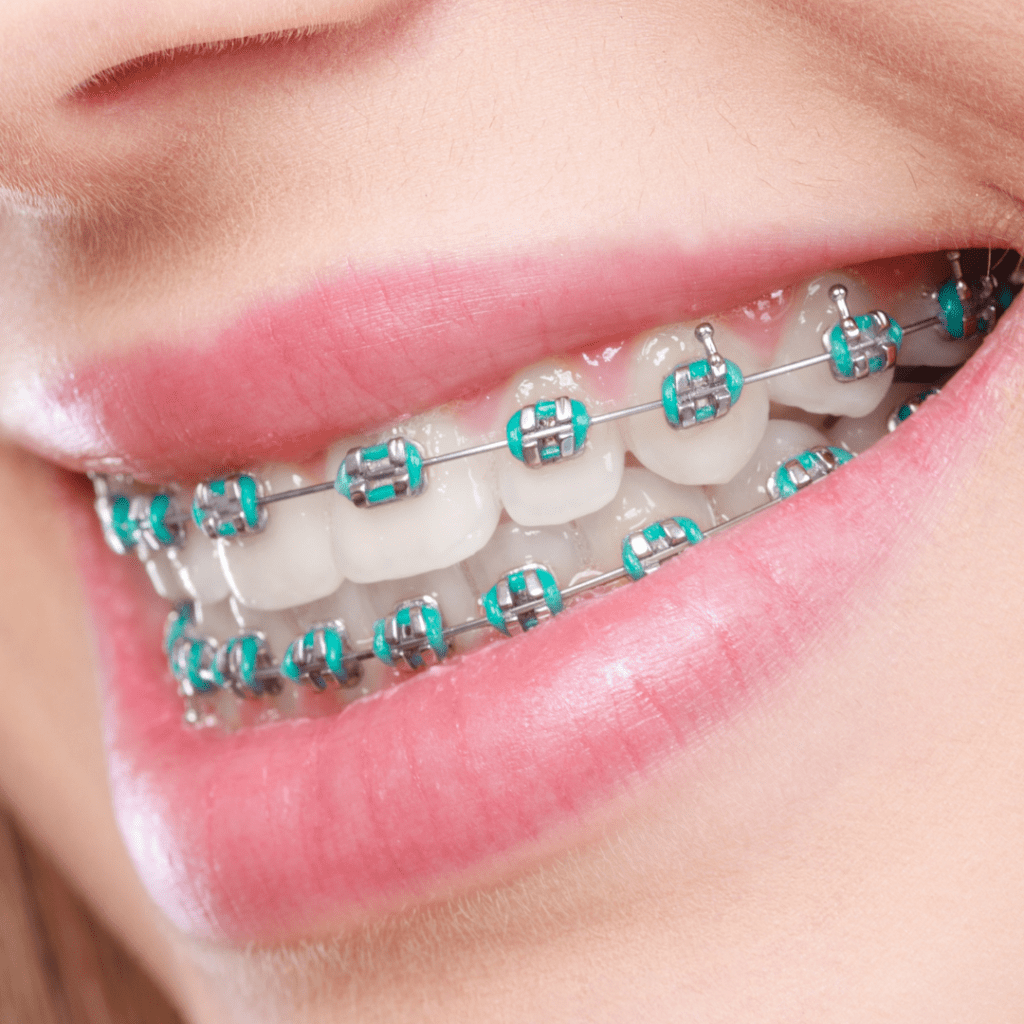
3. Orthodontic Patients
Pre- or post-orthodontic treatment to correct tongue thrust, improper swallowing patterns, or habits that can compromise alignment (e.g., thumb-sucking).
Those at risk of relapse after orthodontic treatment due to persistent oral dysfunctions.
4. People with Orofacial Myofunctional Disorders (OMDs)
Individuals with habits like tongue thrusting, lip incompetence (difficulty keeping lips closed at rest), or improper chewing and swallowing patterns.
Those experiencing issues with speech articulation due to weak or uncoordinated oral muscles.
5. Individuals with Temporomandibular Joint (TMJ) Disorders
People suffering from jaw pain, clenching, or grinding (bruxism), as myofunctional therapy can help improve muscle coordination and reduce strain on the jaw.
6. Children with Developmental Concerns
Children with delayed or atypical oral and facial development may benefit from early intervention.
Those with feeding difficulties, such as trouble chewing, swallowing, or transitioning to solid foods.
7. People with Speech Issues
Those with speech impediments or articulation challenges related to improper tongue or oral muscle function.
8. Pre and Post-Surgical Patients
Clients preparing to have frenectomy (tongue-tie release). Patients recovering from procedures like frenectomy (tongue-tie release) or jaw surgery, to help retrain muscles for optimal function.
9. Anyone Seeking Better Overall Health
Individuals aiming to improve overall breathing efficiency, posture, and facial muscle tone to promote better sleep, digestion, and quality of life.
10. People with Oral pain
Myofunctional therapy can help with oral pain, facial pain, or neck tension

11. Individuals with Migraines
Intense physical exertion or poor posture that strains the neck and shoulders can trigger migraines in some people.
Irregular sleep schedules, too much or too little sleep, or disrupted sleep (such as with insomnia or sleep apnea) are common triggers.
12. Individuals with acid reflux
Dysfunctional swallowing (e.g., tongue thrust or improper tongue posture) can cause excessive air swallowing (aerophagia), which increases pressure in the stomach and contributes to acid reflux.
Myofunctional therapy retrains the muscles involved in swallowing, ensuring a more coordinated and efficient process that reduces stomach pressure and prevents reflux.
Chronic mouth breathing can worsen acid reflux by causing excessive dryness in the throat and esophagus, reducing the protective barrier against stomach acid.
How to Know if You’re a Candidate
If you or someone you know experiences any of the following, a consultation may be beneficial:
- Chronic mouth breathing.
- Snoring or poor sleep quality.
- Orthodontic challenges or a history of relapse.
- Persistent oral habits (e.g., thumb-sucking, nail-biting).
- Speech difficulties.
- Jaw pain or discomfort.
I will tailor a treatment plan for your specific concerns. Let me know if you’d like guidance on the next steps!

 Meyer Myo
Leave a comment